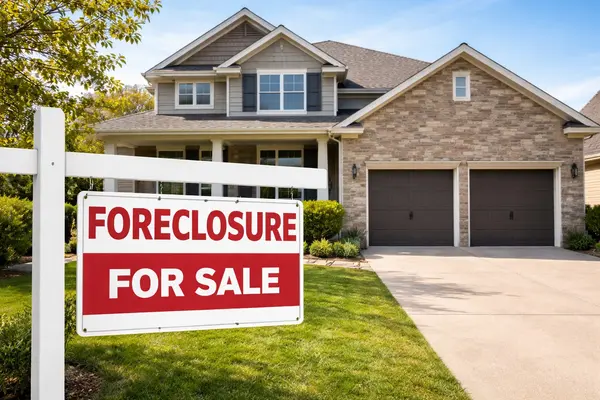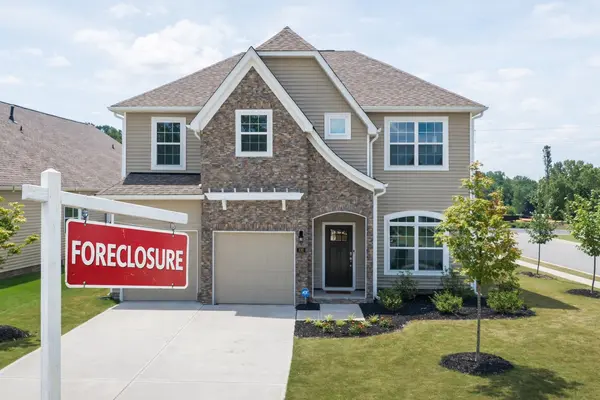
Estate Sale Homes: Understanding the Opportunity for Buyers & the Limitations
Estate Sale Homes: Understanding the Opportunity for Buyers & the Limitations
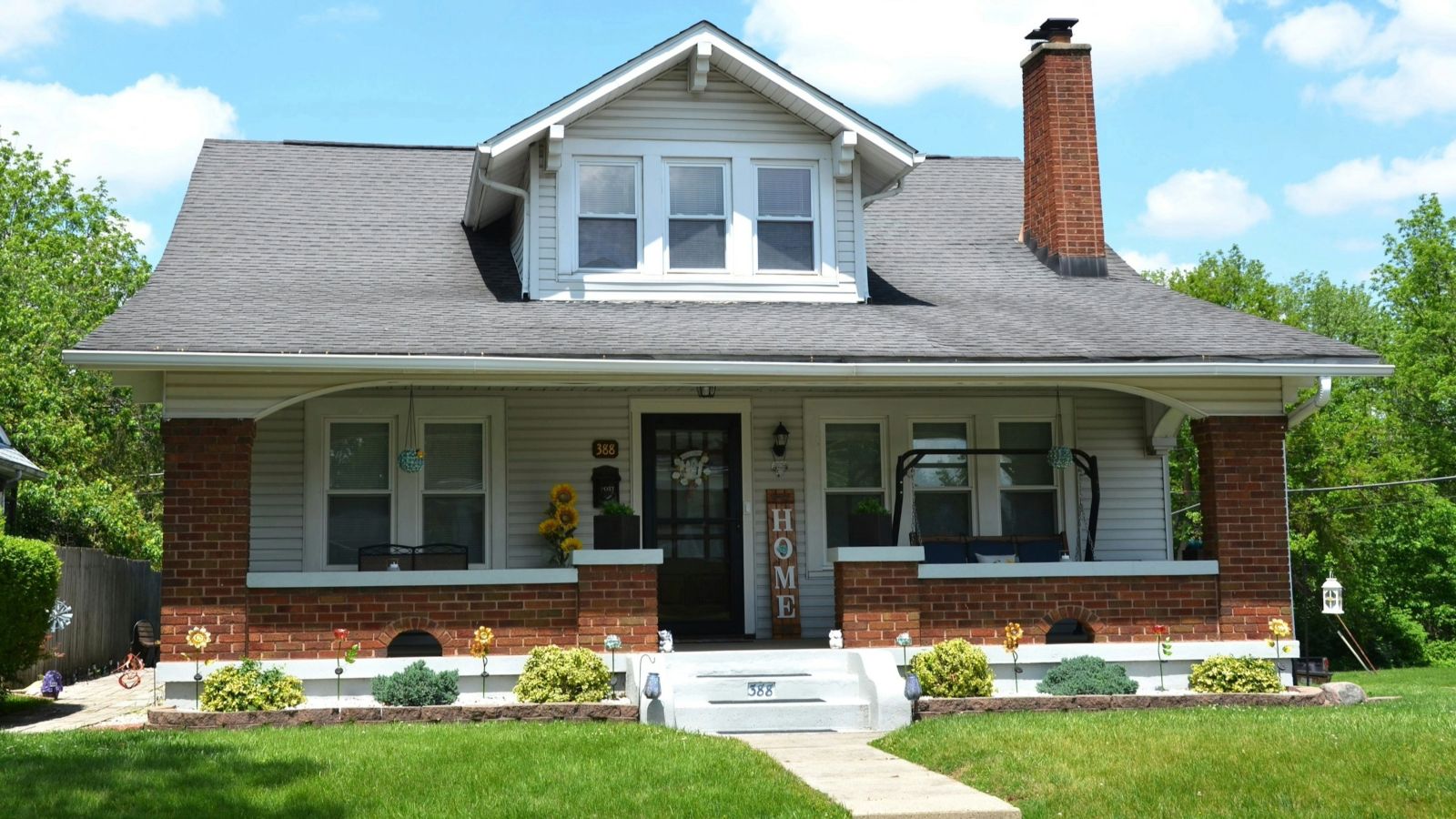
Estate sale homes can be an attractive opportunity for buyers looking for value or unique properties.
However, these sales come with special considerations and limitations
that every buyer should understand before making an offer.
This guide explains what estate sales are, the potential benefits, and the risks involved.
What is an Estate Sale Home?
-
An estate sale home is a property sold as part of settling a deceased person’s estate or managing the financial affairs of a homeowner who can no longer handle the property.
-
The sale is often managed by an estate executor, lawyer, or power of attorney (POA) rather than the homeowner.
Listings may sometimes include the owner’s name (deceased or living) with POA details. -
Buyers may encounter properties sold “as-is”, with no representations or warranties - meaning any repairs, updates, or issues are the buyer’s responsibility.
Opportunities for Buyers
-
Potential below-market prices — estate homes are often priced to sell quickly.
-
Unique properties — older homes, vintage features, or well-maintained interiors may not be widely available.
-
Less competition — some buyers avoid estate sales because of complexity, giving savvy buyers an advantage.
-
Flexible closing terms — if probate is still underway, offering to close 15 days after probate is finalized (for example) can make your offer very attractive to the POA or the Estate.
Limitations and Risks
-
“As-is” condition — Buyers must budget for repairs, updates, or renovations.
-
Legal complexities — Offers may require approval from an executor, POA, or court.
-
Limited disclosure — Information about the property’s history, defects, or debts may be minimal.
-
Timeline constraints — Estate sales often have deadlines, so buyers must act quickly while still performing due diligence.
Buyer Tips
-
Work with an agent experienced in estate sales.
-
Get a full home inspection, even if the property is sold “as-is.”
-
Check for liens, taxes, utilities, or outstanding debts that could affect title.
-
Understand legal approvals — some sales require executor or court consent.
-
Offer flexible closing terms if probate is pending — this can make your offer more competitive.
-
Have financing ready — a quick or conditional closing may be required to secure the property.
Conclusion
Estate sale homes can provide unique opportunities and value for buyers, but they come with limitations and risks.
Understanding the process, performing proper due diligence, and working with experienced professionals are key to making a safe and strategic purchase.
Check out our list of Estate Sale Listings Here: Estate Sales
Categories
Recent Posts