Foreclosure vs Power of Sale: What Buyers Need to Know
Foreclosure vs Power of Sale: What Buyers Need to Know
Buying distressed properties can be confusing, especially when terms like foreclosure and power of sale are used.
While both involve sellers unable to meet mortgage obligations, the process, risks, and protections differ.
This guide explains the key differences and what buyers must know before making an offer.
What is a Power of Sale?
-
A power of sale occurs when a homeowner defaults on their mortgage, and the lender has the right to sell the property to recover the outstanding debt.
-
The owner can redeem the property anytime before the sale is finalized by paying off arrears, including mortgage, liens, property taxes, and other costs.
-
Buyers should perform due diligence: check outstanding liens, utilities, rent-to-own agreements, and property taxes.
What is a Foreclosure?
-
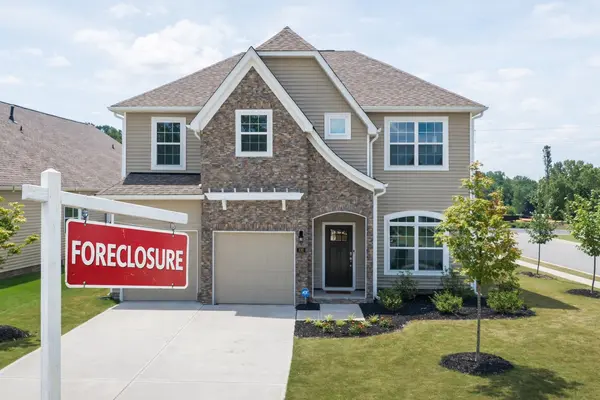
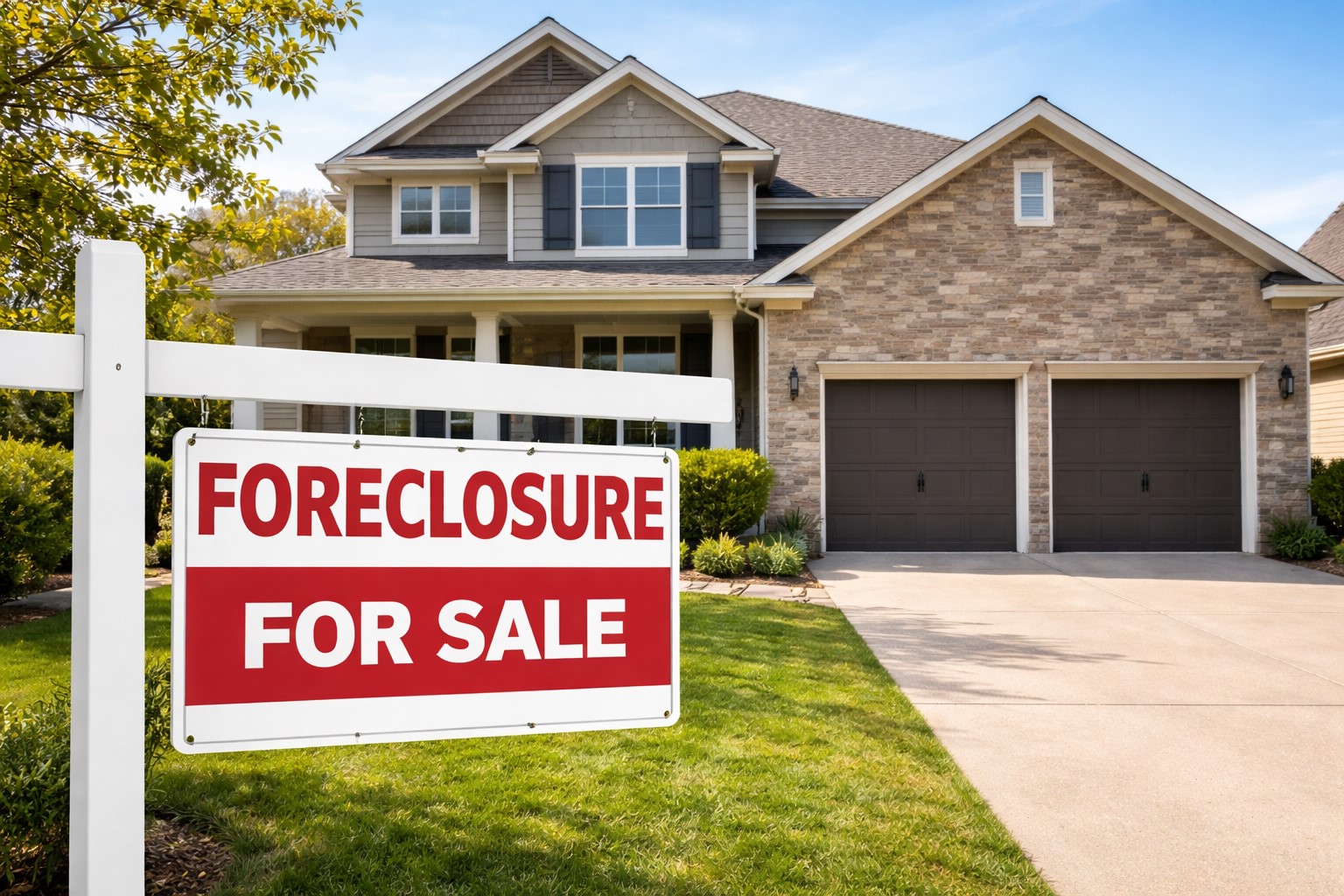
Foreclosure is a court-ordered process where the lender takes ownership of a property after the borrower fails to pay the mortgage.
-
The court formally transfers title to the lender, which removes the homeowner’s ability to reclaim the property.
-
Buyers often buy foreclosed properties, but there are legal rules and risks to understand.
Key Differences
Legal process — Lender sells outside court / Court supervises sale
-
Owner’s right — Can pay arrears until closing / Owner loses rights after court
-
Timeline — Faster sale / Slower, formal process
-
Buyer risk — Must check liens & taxes / Title is cleared by court, lower risk of hidden debts
Why these properties appear now:
-
Many Ontario homeowners overpaid during the low-interest pandemic market.
-
Rising interest rates and declining property values have led to more defaults.
-
Buyers must understand the economic context, the process, and the risks before purchasing.
Buyer Tips
-
Always do due diligence on liens, taxes, utilities, and rent-to-own agreements.
-
Work with a knowledgeable agent familiar with distressed properties.
-
Consider getting a home pre- inspection and title search before making an offer.
-
Know the difference between foreclosure and power of sale — it affects timelines, risk, and negotiation.
Conclusion
Distressed properties can offer opportunities below market value, but the risks are real.
Understanding the difference between power of sale and foreclosure is essential for safe, strategic buying.
Categories
Recent Posts