Unlocking Opportunity: A Buyer’s Guide to Power of Sale Homes in Ontario
Unlocking Opportunity: A Buyer’s Guide to Power of Sale Homes in Ontario
In today’s challenging real estate market, savvy buyers are searching for hidden gems—properties that might not be on everyone’s radar. Power of sale homes are one such opportunity. These are properties that lenders put on the market when homeowners are unable to keep up with their mortgage payments, often allowing buyers to purchase at prices below market value. 🏠💡
But, as with any great opportunity, success doesn’t come by chance. It takes the right strategy, solid preparation, and careful research. If you’re considering this path, here’s everything you need to know as a buyer in Ontario.
What Is a Power of Sale?
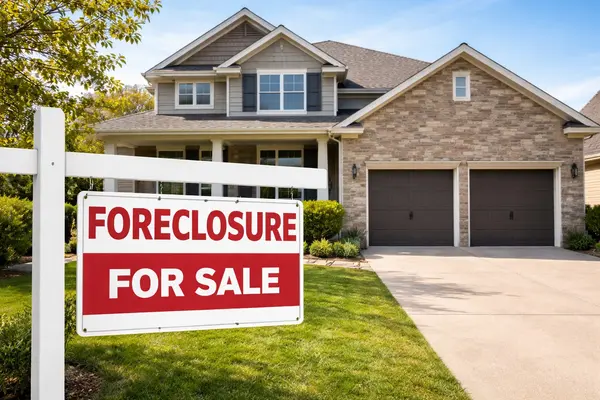
A power of sale happens when a lender—typically a bank or other financial institution—steps in to recover the balance of a mortgage from a homeowner who has fallen behind on payments. Unlike foreclosure, the lender doesn’t actually take ownership of the home. Instead, they sell the property to recover what’s owed.
- Key Difference: In a foreclosure, the lender becomes the owner. With a power of sale, they act as a seller to recoup their losses.
- This process is designed to be faster and less complicated than foreclosure, which can be a benefit for both the lender and the buyer.
It’s important to note that the original homeowner still has a chance to redeem the mortgage right up until closing. If they’re able to pay off the overdue amount, the sale is called off and the homeowner keeps their property. This adds a layer of unpredictability for buyers, so flexibility and patience are key!
The lender’s main goal is to recover the debt as quickly as possible. That means these homes are usually sold as-is—often with little time for repairs or upgrades—and sometimes at prices below market value. For buyers, this can mean significant savings, but also a need for careful inspection and planning.
Why Power of Sale Homes Are Increasing Today
While power of sale homes have always appeared in slower markets, Ontario is currently seeing a surge. Here’s why:
- Pandemic Overbidding: During the pandemic, many buyers bid $50,000–$100,000 above asking prices, eager to secure a home in a competitive market.
- Low Interest Rates: At the time, low rates made these higher payments manageable for most buyers.
- Rising Interest Rates: Since then, interest rates have soared—and they haven’t dropped back to pre-pandemic levels.
- Economic Uncertainty: The economy hasn’t bounced back as expected, with international factors like tariffs and U.S. uncertainty adding to the challenge.
- Falling Home Values: Across Canada, home values have dropped sharply, leaving many homeowners unable to keep up with their mortgage payments.
The result? A growing number of power of sale listings—homes where timing, strategy, and risk management are more important than ever for buyers.
Key Risks Buyers Need to Understand
Buying a power of sale home isn’t a risk-free shortcut to homeownership. Here are some key points every buyer should keep in mind:
- Sold As-Is: These homes are sold in their current condition, with limited disclosures and no warranties from the seller.
- Outstanding Obligations: There may be outstanding liens, mortgages, unpaid property taxes, utilities, or even rent-to-own agreements attached to the property.
- Redemption Rights: The original homeowner can still redeem the mortgage right up until closing, which could delay or even cancel the sale at the last minute.
- Deferred Maintenance: Since these homes are often sold quickly, there may be hidden issues or deferred repairs that buyers will need to address.
Smart Due Diligence Tips:
- Confirm that the seller has the funds and intention to clear all mortgages, liens, property taxes, utilities, and other encumbrances before closing.
- Arrange for professional inspections to uncover any hidden problems or deferred maintenance issues.
- Carefully factor all potential costs—repairs, legal fees, outstanding debts—into your offer strategy before making a commitment.
Understanding and mitigating these risks is essential if you want to turn a power of sale opportunity into a successful purchase. A cautious, informed approach will help you avoid costly surprises and make the most of what these unique listings have to offer.
Inspections, Financing, and Due Diligence
Even though power of sale homes can offer great value, buyers must be diligent every step of the way. Here’s how to protect yourself and make a smart investment:
- Hire a Professional Home Inspector: Always have a thorough inspection done to uncover any hidden issues. (As your agent, I cover this cost for my buyers!)
- Check Comparable Sales: Research recent sales in the area to make sure you’re not overpaying, even for a power of sale property.
- Secure Financing Early: Arrange your mortgage in advance and ensure your lender is aware of any liens or outstanding obligations that may affect closing.
- Work with Trusted Professionals: Connect with experienced mortgage brokers and real estate professionals who can help you navigate potential complications and keep your deal on track.
With careful preparation and the right support, you’ll be able to buy with confidence and avoid unnecessary risks.
When Power of Sale Homes Make Sense
Power of sale homes aren’t for everyone, but they can be a smart choice for buyers who:
- Are well-prepared and fully informed about the risks involved
- Can act quickly when a good opportunity arises
- Want to use their market knowledge to find value in a slower market
For strategic buyers, these properties can be a pathway to homeownership below market value—often without the stress of bidding wars or overpaying.
Final Thoughts
Power of sale homes are one of several strategies buyers can use in today’s challenging market. The current increase in these listings is not random—it’s a direct result of pandemic-era overbidding, soaring interest rates, and falling home values.
Success in this market requires more than chasing deals; it requires strategy, preparation, and due diligence. Buyers should:
- Understand the property’s legal and financial status, including mortgages, liens, taxes, utilities, and any rent-to-own obligations.
- Confirm inspections and comparable values before making an offer.
- Be aware that homeowners can redeem the mortgage up until closing, which can affect timing and certainty.
When approached strategically, power of sale homes can present real opportunities—but only for buyers who plan carefully, verify all risks, and make informed decisions.
In today’s market, the right strategy matters far more than luck.
Categories
Recent Posts