Under-Water Homes in Ontario: Why So Many Are Selling at a Loss
The Market, Explained
Under-Water Homes: The Biggest Opportunity in Our Market Right Now
Homes selling for less than the owners paid for them are suddenly everywhere. Here's what's really going on — and why the window on it is closing.
By Christine Domina, REALTOR® · Real Estate Smarts
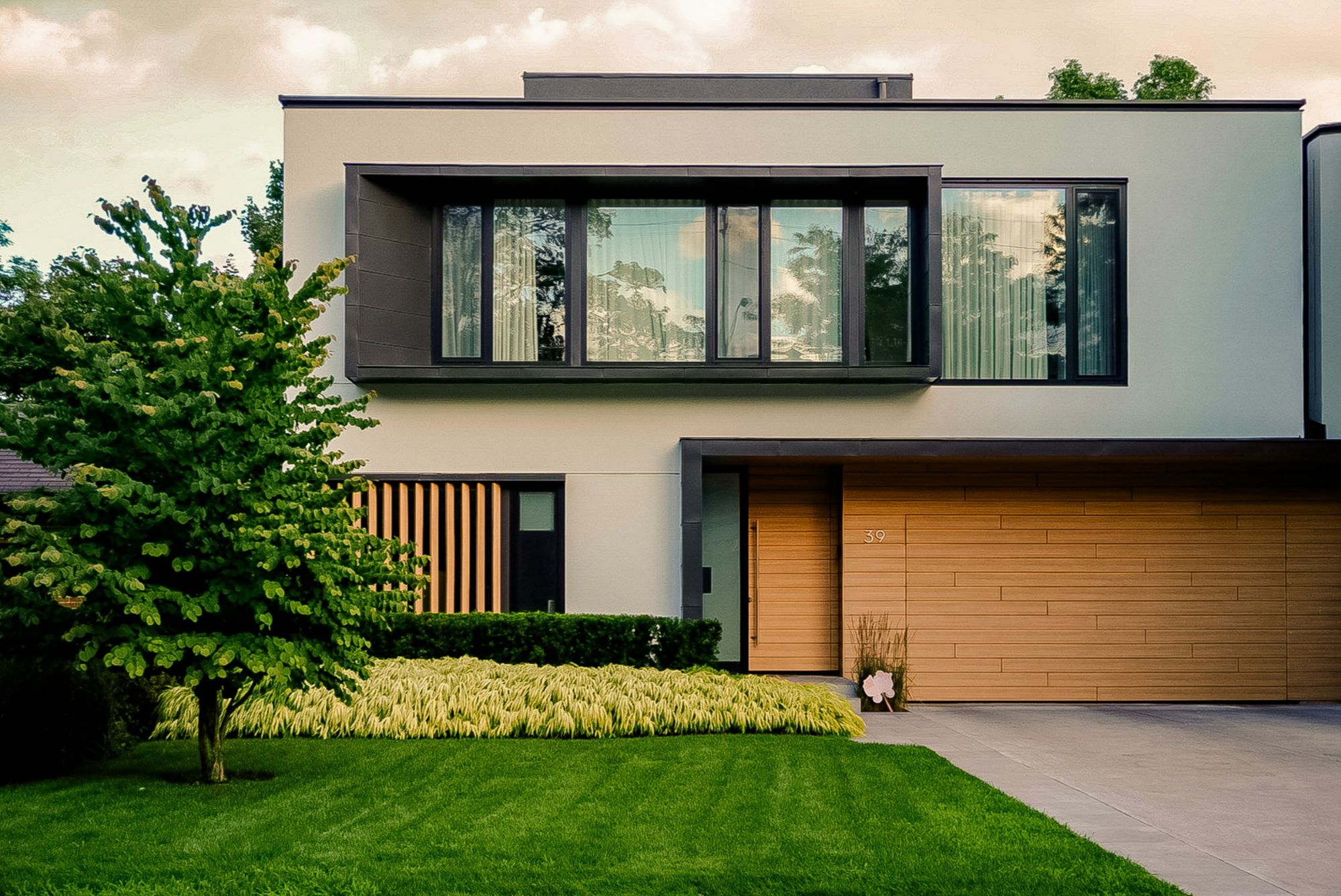
There's a term you're going to be hearing more and more from me this year: Under-Water property. It's new to a lot of people, so let me explain it plainly. An under-water home is one listed for less than the owners paid for it. In other words, they're selling at a loss.
In nearly two decades in this business, I've never seen this. Sure, you come across a few every year, usually alongside the odd power of sale or foreclosure and after in 2010, recovering from the recession, there were a few homes that I could not list - because the average sale price would not have covered what they owed. But there were not a ton of them.
But homes selling at a loss, in the numbers we're seeing right now? That is highly unusual — and it's a direct result of what happened during the pandemic. Let me walk you through it, because once you understand why it's happening, you'll see why I believe it's the best opportunity on the market today.
Where are these homes — and are they fixer-uppers?
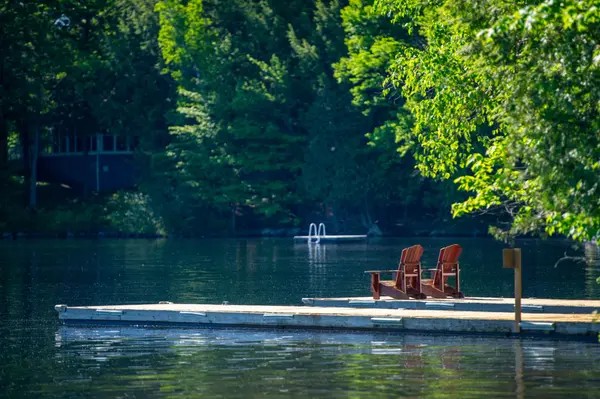
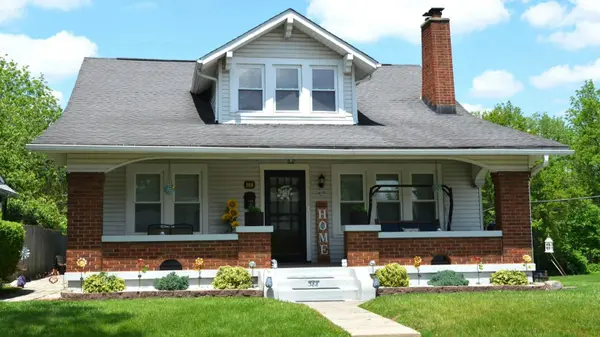
They're everywhere — and that's the part that surprises people most. Under-Water homes aren't tucked into one neighbourhood or one price bracket. They turn up at every price point, in every type of home, in every area we serve: first-time-buyer homes and multi-million-dollar estates, waterfront properties and cottages, brand-new builds, condos and townhomes, in the city and out in the country.
And let me be very clear about one thing: these are not fixer-uppers, and they are not homes that were neglected by irresponsible owners. The vast majority are well-kept homes owned by good, responsible people who simply bought at the wrong moment. This isn't a story about bad decisions — it's pandemic fallout, plain and simple. Here's how it happened.
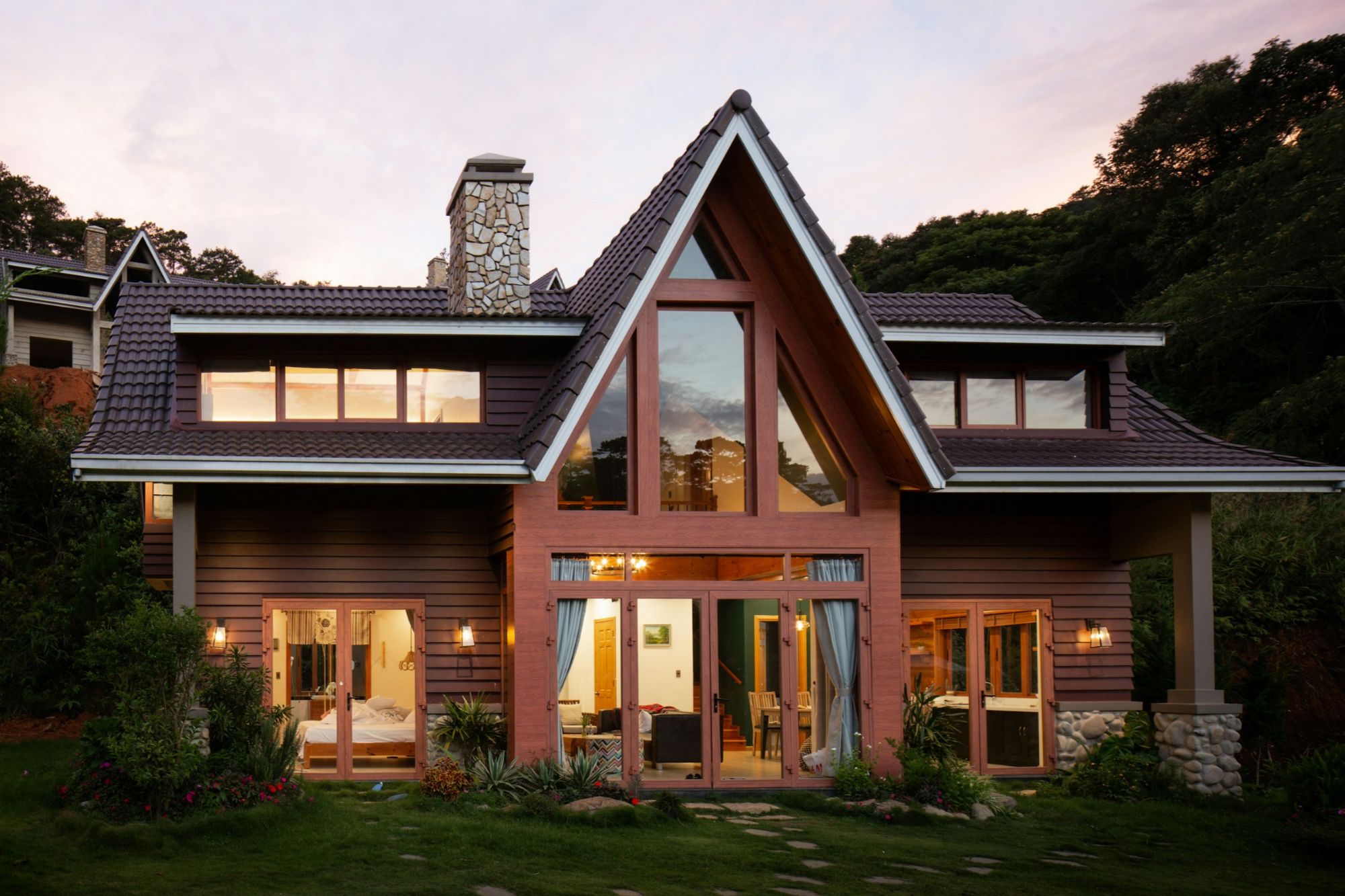
Waterfront & Cottages |
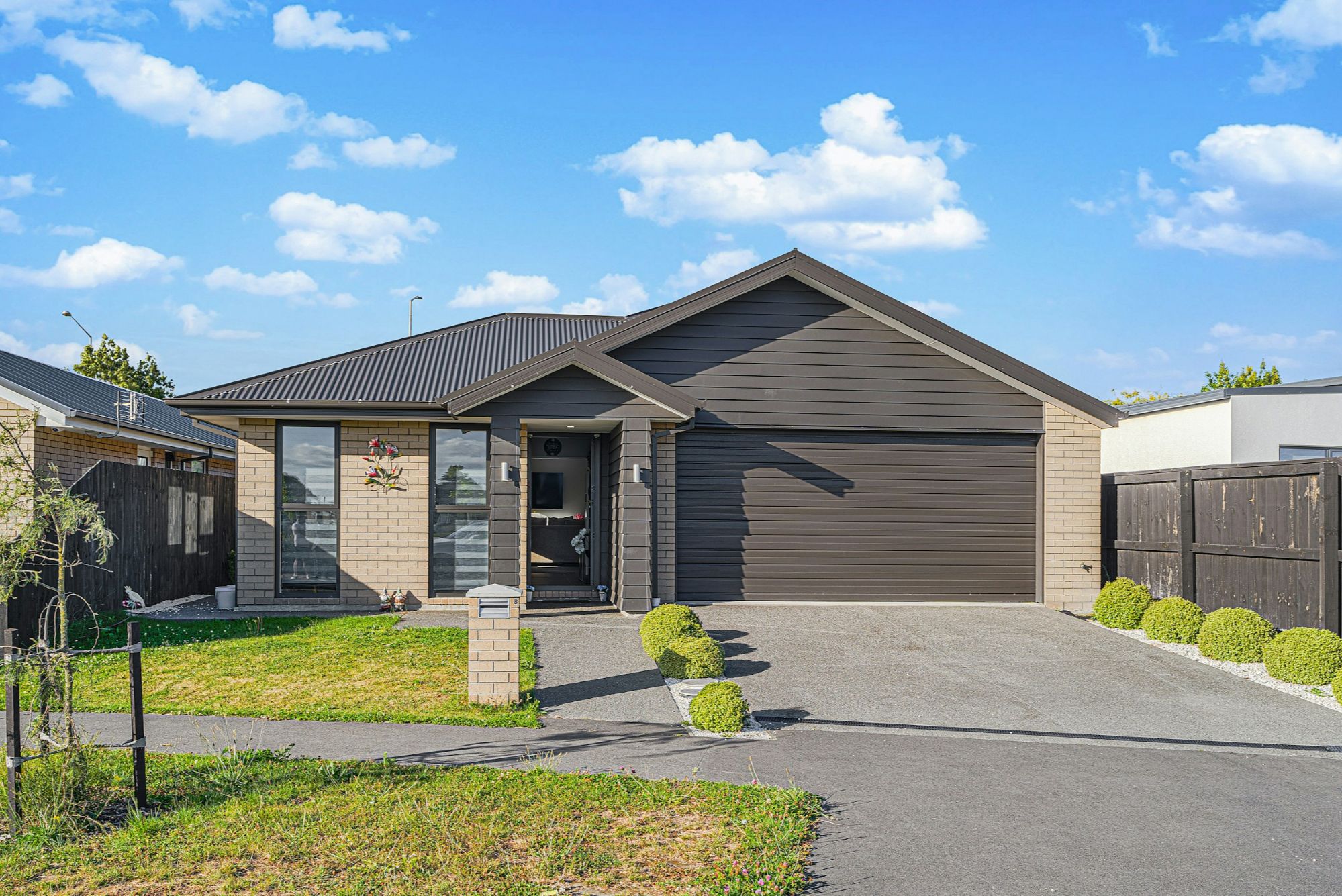
First-time & Down sizing Homes |
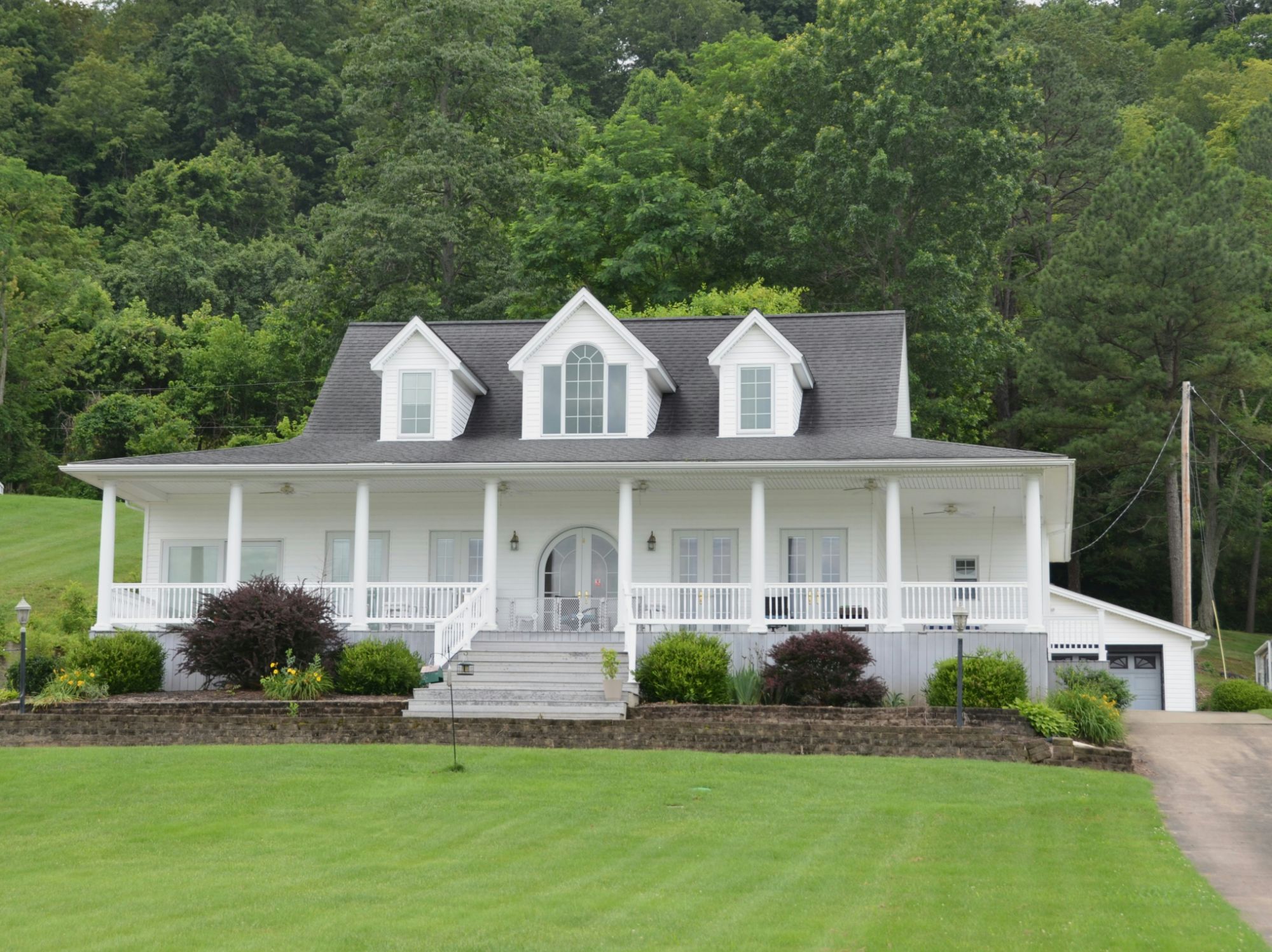
Country & Acreage |
First — it's usually not what you'd assume
The natural assumption is that these owners simply can't afford their mortgage payments. In most cases, that isn't the reason at all. The people who could not couldn't carry their payments have, for the most part, already sold.
What we're seeing now is a different problem — and it comes down to two things that happened after 2021: values dropped (as much as 30% in some areas, 20% in most), and banks moved into cautionary mode to protect themselves. To see how those two things collide, we have to go back to how these homes were bought in the first place.
Remember 2021?
Back then, everything sold — fast, and usually with multiple offers. It wasn't unusual to see 20, 30, or more offers on a single home. If you wanted to win, you had to out-bid everyone else, often by a wide margin over asking. Interest rates were at rock-bottom lows, so most buyers chose a variable rate because it was cheaper at the time. Most of those were signed for at least a three-year term. By the time that term was up, fixed rates had climbed a long way.
Here's what that ride actually did to a typical $750,000 mortgage over five years:
| Year | Rate | Interest | Principal Paid | Balance |
| 1 | 1.45% | $10,709 | $25,074 | $724,926 |
| 2 | 3.50% | $25,204 | $10,579 | $714,346 |
| 3 | 5.75% | $41,217 | -$5,433 | $719,779 |
| 4 | 4.40% | $31,273 | $19,850 | $699,929 |
| 5 | 4.40% | $30,382 | $20,742 | $679,187 |
Years 1–3 on a variable rate with the payment locked at the year-one amount; switched to a 4.4% fixed at renewal. $750,000 mortgage, 25-year amortization, semi-annual compounding.
Look closely at year three. When the rate hit 5.75%, the locked payment couldn't even cover the interest — so the balance actually went up by more than $5,000 that year. That's the "trigger rate" trap that caught so many people. Five years in, after all those payments, barely any principal has been knocked off. This owner still owes about $679,000 on a mortgage that started at $750,000.
Then comes renewal — and the gap
So here we are, five years later. Time to renew the mortgage. But the market has softened, and the bank now values that home at, say, $660,000 — down about 20% from the $825,000 they paid. And that's an average drop; in a lot of areas it's more.
The Squeeze, at a Glance
What they paid in 2021
What they still owe today
What the bank says it's worth now
There's the problem. The home is now worth less than they still owe on it. To renew, the bank will only finance a percentage of its new value — so the owner has to cover the difference, possibly $19,000 to $20,000, in cash in this example. And on top of that gap, remember the amount they originally over-bid to win the home in the first place — that money is long gone too.
Now, $20,000 might not sound like much on a home at this price — and honestly, that's a very reasonable amount and a very average drop. But most people who stressed and struggled their way through that interest-rate ride simply don't have that kind of cash sitting around. Their savings went into the house back in 2021. So it isn't that they can't make the payments — it's that, without coming up with more cash, they can't renew at all. That's what puts the home on the market. And the higher the price they paid, the rougher the rate ride and the bigger that gap becomes.
For a lot of these owners, if the home doesn't sell, they could lose it altogether — which would wipe out their credit. Selling lets them salvage their credit and limit their losses. Some are able to borrow from family or elsewhere to hang on until values recover. If not, listing and having a buyer stepping in is the best outcome..
New builds got hit the hardest
The toughest stories are the new homes. Buyers signed contracts when the market was red-hot, but closings were often delayed — and by the time the home was ready, rates had climbed and the market had dropped. Here's the part people forget: the price on a new-home contract doesn't include everything the buyer paid. Nobody wants to amortize their appliances over 25 years, so those costs came out of pocket in cash — HST, upgrades and finishes selections, closing costs, appliances, a grading deposit, connection fees, and more — often tens of thousands of dollars beyond the purchase price. None of that comes back in a sale at today's values.
Why I like these better than power of sales and foreclosures
People always ask me how under-water homes compare to power of sales and foreclosures.
In this market, I think they're often the better opportunity, for three reasons:
1. Financing. Banks are cautious and risk-averse right now. They can be hesitant to finance a power of sale — unless it's the bank that's selling the property to you that's offering the financing, but that can limit you (and read the fine print - PLEASE).
2. No surprises. Power of sales typically come with no warranties and no representations — little to no information about liens, taxes or utilities owing, or the condition of the property. If something goes sideways, you have no recourse.
An under-water sale is a sale with a normal owner who can tell you about the home.
3. Selection. Simple supply and demand — this is where the listings are. We average around 300 under-water homes on our Under-Water page at any given time. Some sell, more come on. So there are real choices available.
Curious how the categories compare? Browse our Power of Sale & Foreclosures and Estate Sales pages too.
But the window is closing
This is a three-to-five-year turnaround, tied to the mortgage cycle. Most of these buyers purchased in 2021 and 2022 — which is exactly why the wave of mortgage renewals in 2026 was all over the news. We'll likely see some more of these next year from people who bought later in 2022 or into 2023, but the bulk of the wave is moving through right now. Opportunities like this don't stay open forever.
And here's the good news: fall is coming, and if the pickup in activity we've seen lately is any indication, I think buyers will be back out in force as the season turns. If you've been waiting for a moment with real choice and real negotiating room, this is it.
And when you're ready to crunch the numbers, our Home Buyer Cash Calculator shows exactly how much cash a purchase really takes.
One thing I'll always be straight with you about: an under-water price doesn't automatically make a home a great buy. Every property has its own story, and some of these are genuine opportunities while others aren't. It takes research and careful watching of the market to tell them apart — and most agents simply won't commit that kind of time. That's the part we do. We'll walk you through the full picture on any home you're considering — the opportunity and the risks, all of them.
Under-Water Properties: Common Questions
What is an under-water property?
An under-water property is a home listed for less than the owners paid for it — meaning they're selling at a loss. It's also called negative equity, where the mortgage owed is higher than the home's current market value.
Why are so many Ontario homes selling for less than the owners paid?
It's mostly pandemic fallout. Most of these homes were bought in 2021 and 2022 at peak prices with low variable rates. Since then, values have fallen 20–30% in many areas and interest rates climbed — so when the mortgage comes up for renewal, the home can be worth less than what's still owed, and the owner has to sell.
Are under-water homes fixer-uppers or distressed properties?
No. In most cases these are typically well-kept homes owned by responsible people who simply bought at the wrong time. They appear at every price point and property type — first-time-buyer homes, waterfront, new builds and condos — across Durham Region, Peterborough, Northumberland and the Kawarthas.
Are under-water properties a good deal for buyers?
They can be, but a low price alone doesn't make a home a good buy. Every property has its own story, so it takes careful research to tell a real opportunity from a home priced low for a reason. That's the kind of homework we do with our buyers, walking through both the opportunity and the risks.
How is an under-water home different from a power of sale or foreclosure?
An under-water home is a regular sale with an owner who can tell you about the property, unlike a power of sale — which often comes with no warranties, no property information, and little recourse. There are also far more under-water listings available (we average around 300 on our page - some sell, more are listed), so buyers have real choice.
Want to see the opportunities for yourself?
Browse our full Under-Water list — updated daily — or book a no-pressure call and we'll help you spot the ones worth a serious look.
Browse Under-Water Homes Book a CallOr reach me directly at 416-873-4747 · [email protected]
This article is general market information, not legal, tax, or financial advice. Every situation is different — please speak with us and your own professional advisors about your specific circumstances. Mortgage figures above are illustrative examples.
Categories
Recent Posts